A short daily quest
Today's quest is four short games, one for each skill. When the fourth is done, so are you, and your scores are saved for next time.


Free games for memory, focus, reasoning, numbers and words. Play four short games a day, see your score after each one and follow your progress over the weeks. No sign-up needed.
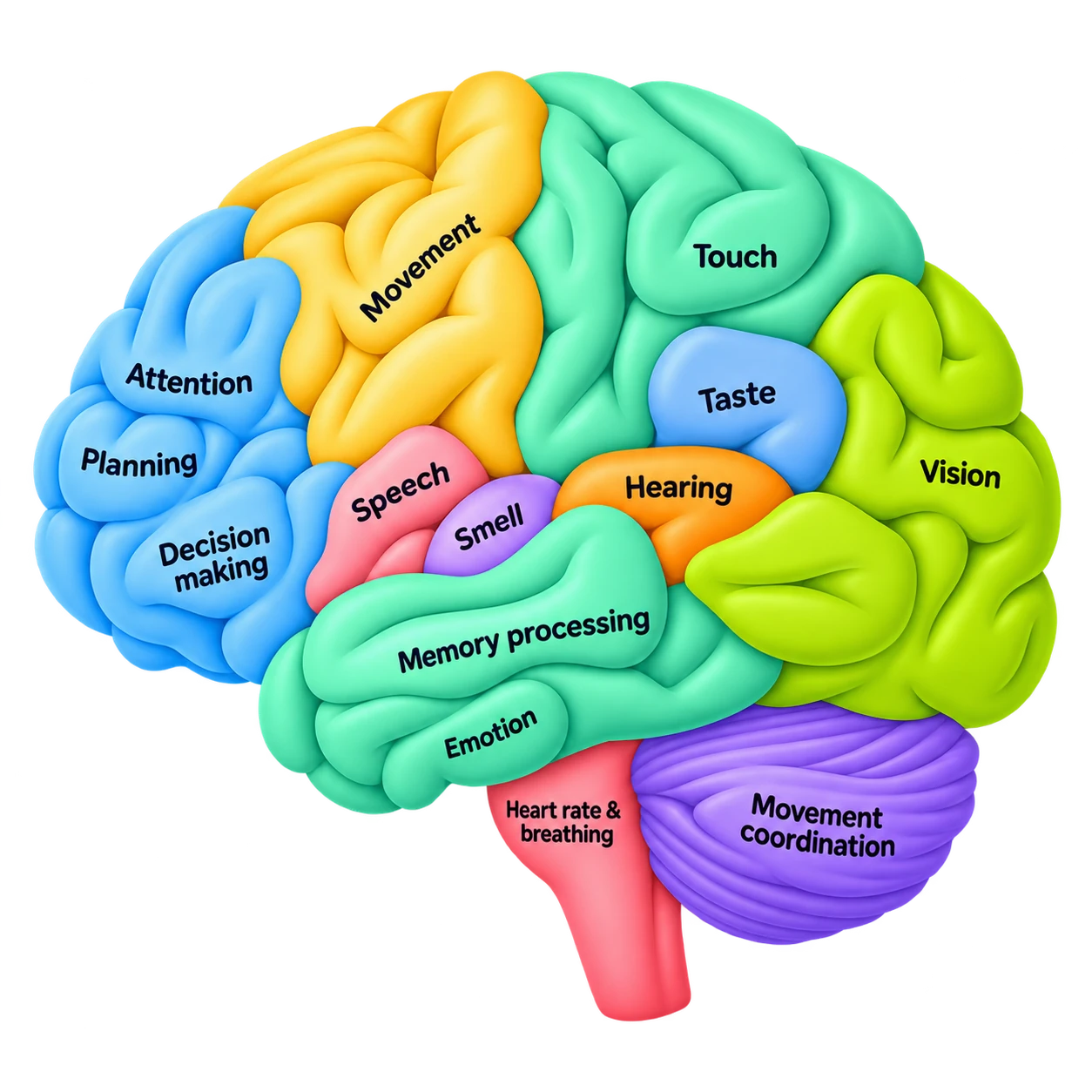
Game icons represent memory, focus, logic, and numbers. Hover or select an icon to hold it in place. The labeled illustration is a simplified guide; brain functions involve connected networks.
Play a little each day, at a level that keeps up with you, and see how you're doing.
Today's quest is four short games, one for each skill. When the fourth is done, so are you, and your scores are saved for next time.
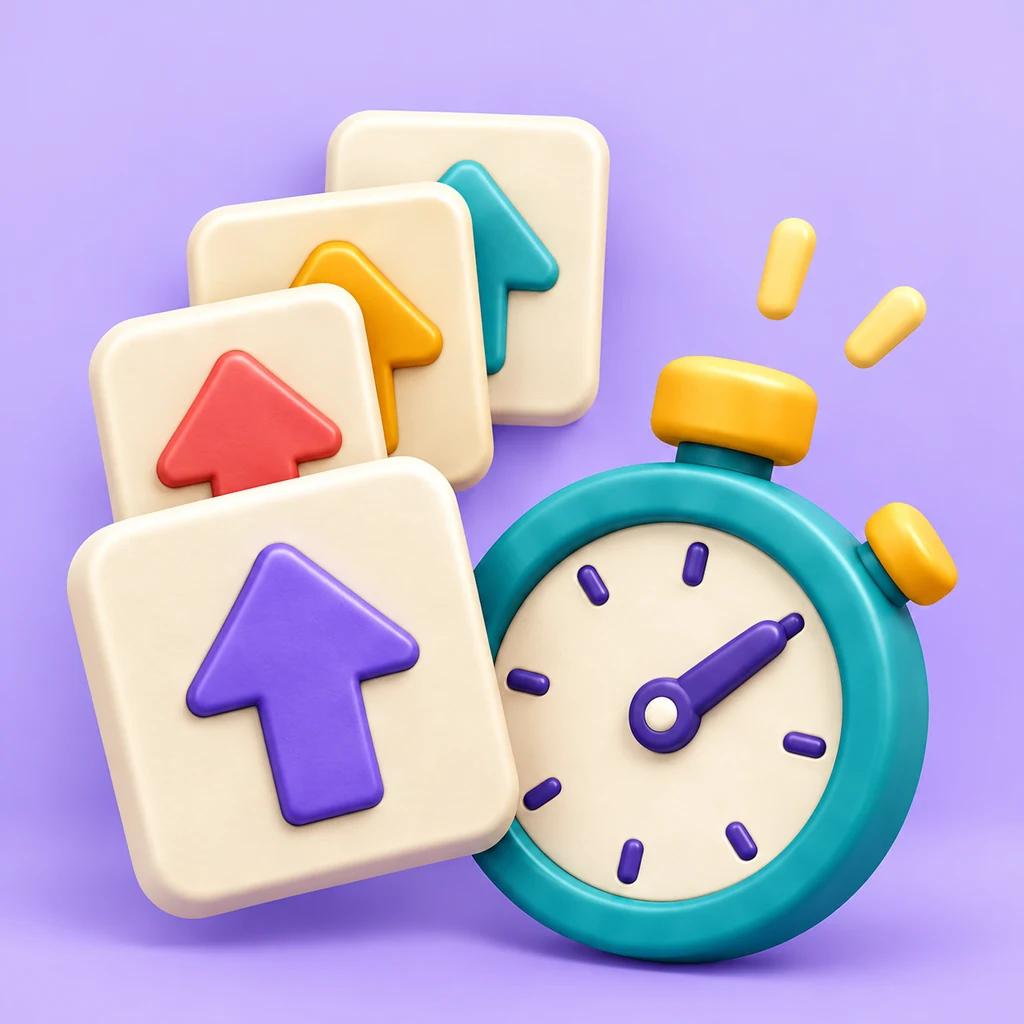
Most games get harder when you're getting answers right and ease off when you're not, so you keep working at the edge of what you can do.

See your score after each game. Come back on other days and your Progress page charts each skill over the weeks.
Each game is built around a classic thinking task, such as remembering a string of digits or finding the odd one out. Try one now, or start today's quest.
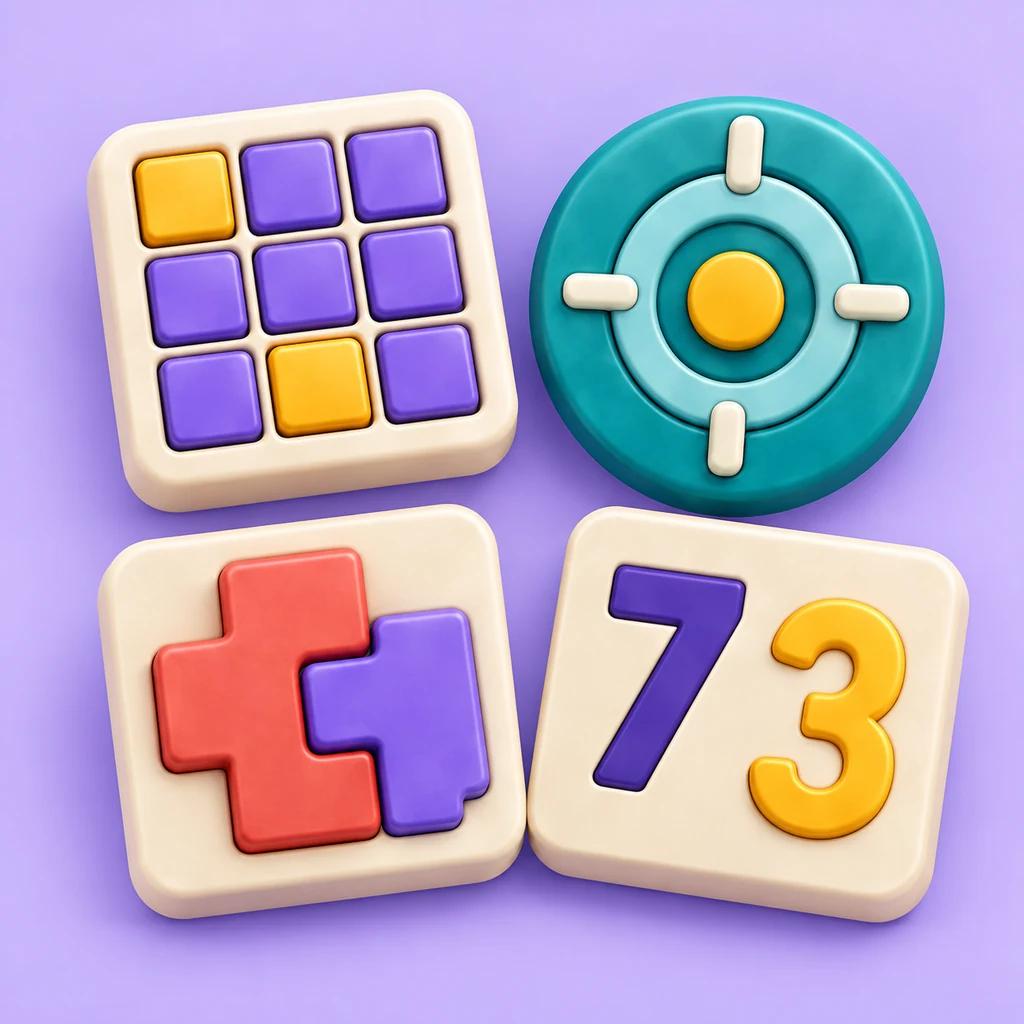
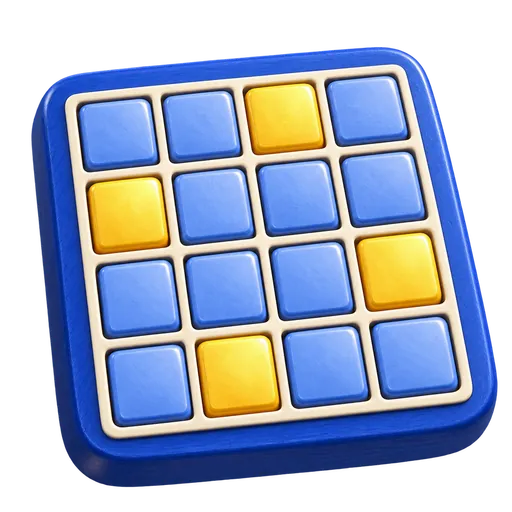 Glimmer MapMemoryRemembering the squares that lit up.
 Middle ArrowFocus & speedFollowing one target while ignoring distractions.
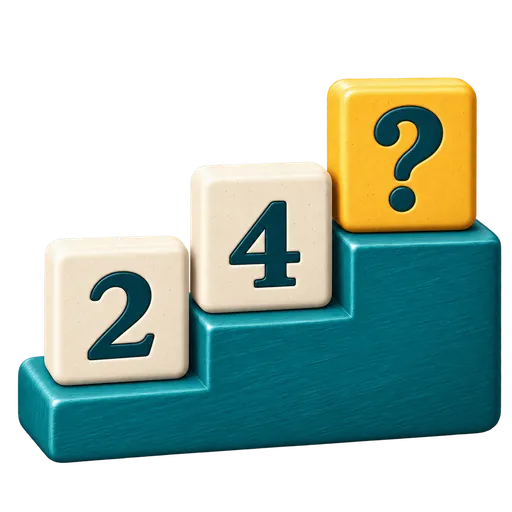 What Comes NextLogic & reasoningFinding how numbers change in a sequence.
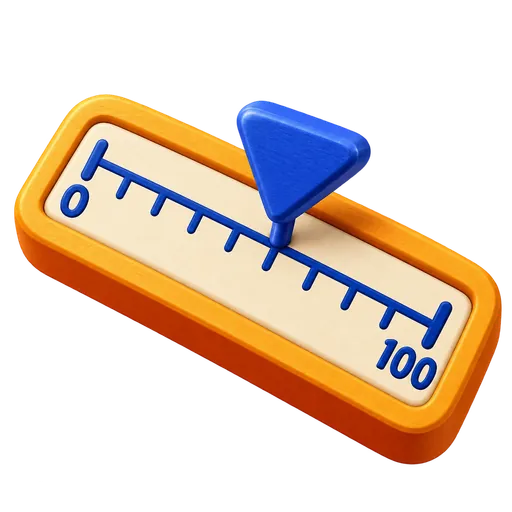 Line SignalNumbers & wordsEstimating where a number falls on a line.
Each game works on one skill. Here is what you do in each.
Memory and recall: remember digit sequences, moving shapes and squares that light up.
Attention and speed: pick out the odd route, the middle arrow or the matching ticket.
Reasoning: find the rule in a number pattern, crack a hidden code from clues or fill a grid so every row works.
Numbers and words: do quick mental sums, spot a wrong receipt total or unscramble letters into a word.
Kids 8–12 play with their own levels, which stop short of the hardest puzzles teens and adults reach.
Every game has a clear end. There are no ads, no chat and nothing to buy. The daily quest stops after four games, and playing more is always your child's choice.
Adults can play too. Everyone plays the same games at their own levels, and each person can have a profile on the same device, so the whole family can play side by side.
No account is needed. Your child's profile and scores are kept in this browser. We measure how the games are used, and you can turn that off.
Read our Privacy PolicyShort guides to how memory, attention and practice work, with sources.
For families
Hearing loss and dementia are linked. What a large trial of hearing aids found about thinking, what the 48% headline means, and when to get checked.
Read article
For families
Short sleep is linked to dementia in big studies, but which comes first? What the research shows, what a sleep trial found, and when to see a doctor.
Read article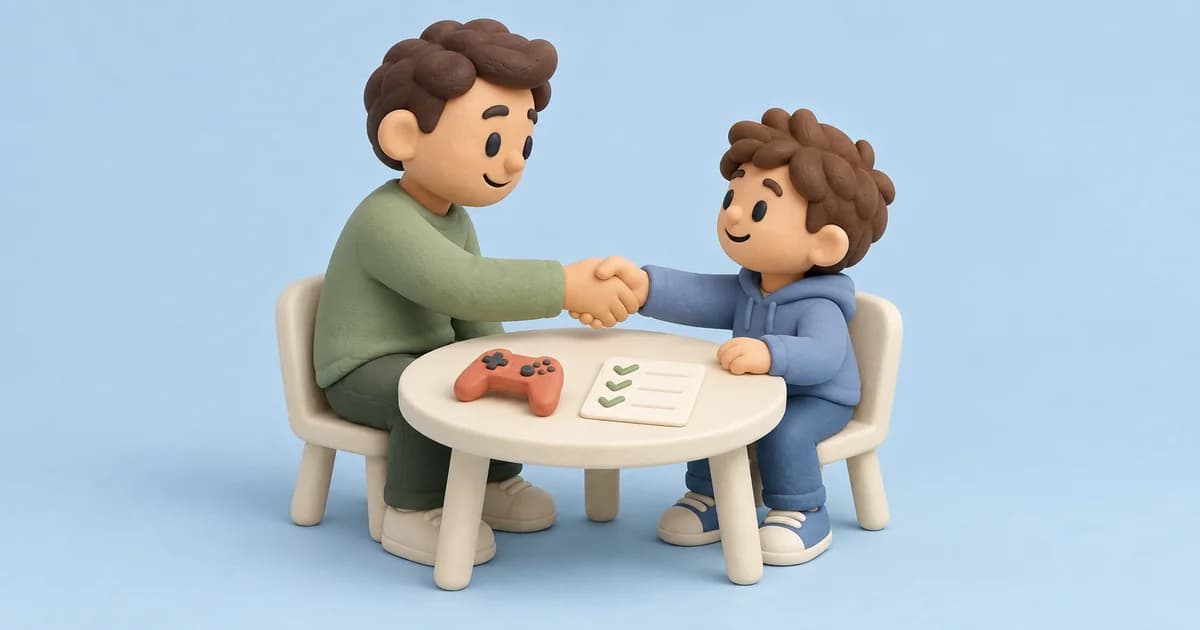
For families
Where, when, which games, who to chat with and what to spend: what goes in a family gaming agreement, how to write it together, and when to revisit it.
Read articlefreegama is a free brain training website for kids, teens and adults. Each day there is a quest of four short games, one for each skill, plus a library of games you can play whenever you like. You see your score after every game and your progress over the weeks.
freegama shows you exactly how your score in each game changes as you practise. Studies disagree on whether gains in brain games carry over to everyday memory and focus, so judge it by what you can see: regular practice and your own scores.
Memory, focus and speed, logic and reasoning, and numbers and words. Each game works on one of them, and today's quest gives you one game for each.
As long as today's quest takes: four short games, then you're done for the day. If you want more, you can play any game again on its own, but nothing pushes you to.
Yes. Every game, today's quest and your Progress page are free, with no account and no payment card.
Yes, from around age 8. Kids have their own levels with a lower top difficulty, so sums stay small and puzzles stay manageable. There are no ads, no chat and nothing to buy, and the daily quest has a clear finish. Teens and adults have their own levels too.
The first time you play a game, it starts easy. Get answers right and it gets harder; make mistakes and it eases off. Next time it starts one level below where you finished last time, within the levels for your age group, and gets easier or harder from there. A few puzzle games play a fixed run of puzzles that grows harder instead.
No. Start playing straight away. Your profile and progress are saved in this browser on this device, and you can add profiles for other family members. Clearing your browser data removes them. See our Privacy Policy for details.